
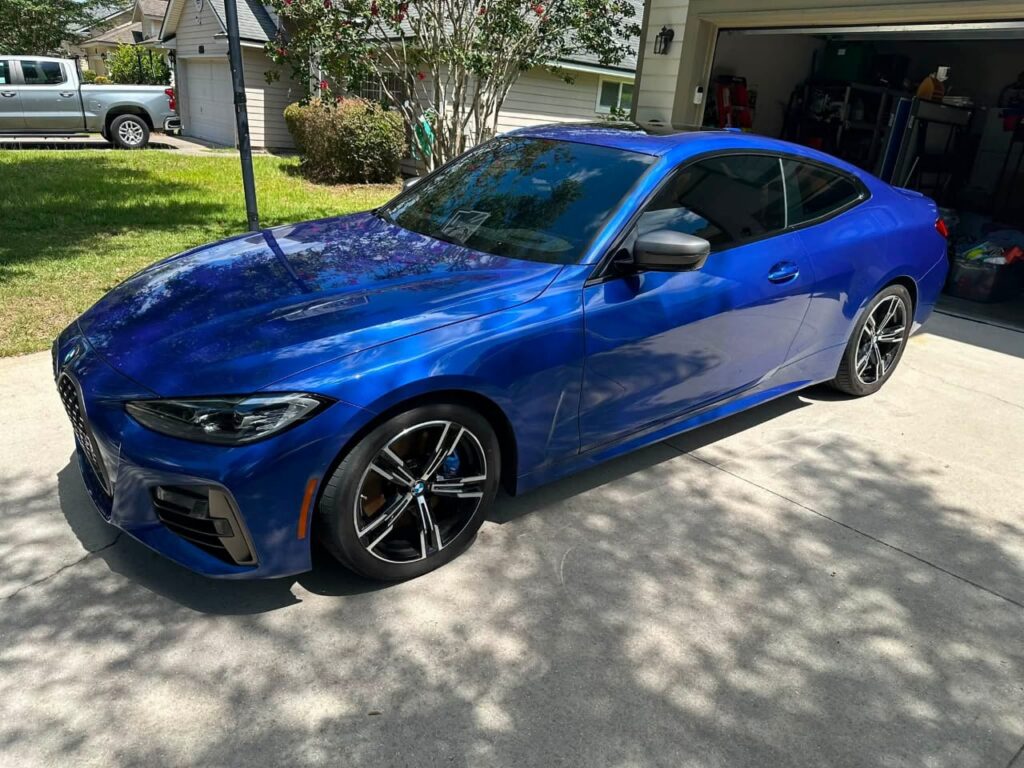
Professional window tint typically lasts between 5 and 10 years, depending on the quality of the tint film, installation method, weather conditions, and how well it is maintained. Premium films like ceramic window tint can last longer while providing better heat rejection, UV protection, and comfort.
For vehicle owners in Gainesville, FL, window tint is more than just an appearance upgrade. Florida’s intense sunlight, high temperatures, and UV exposure can affect your vehicle’s interior, driving comfort, and the lifespan of your window film.
Choosing a professional window tint installer like Tint Werkz helps ensure your tint is properly installed using quality materials designed to withstand Florida driving conditions.
In this guide, we explain how long different types of window tint last, what causes tint failure, how to maintain your window film, and the warning signs that indicate it may be time for replacement.
What Is the Average Lifespan of Window Tint?
The average lifespan of professionally installed window tint is usually 5–10 years, although the exact lifespan depends on several factors.
High-quality window films installed by experienced professionals typically last significantly longer than inexpensive films or DIY tint kits.
Average Window Tint Lifespan:
| Type of Window Tint | Average Lifespan | Performance |
| Dyed Window Tint | 2–5 years | Basic shade and appearance |
| Carbon Window Tint | 5–7 years | Better heat rejection and durability |
| Ceramic Window Tint | 7–10+ years | Maximum heat protection and longevity |
For Gainesville drivers, ceramic window tint is often the preferred option because it performs better under Florida’s extreme heat and sunlight.
What Factors Affect How Long Window Tint Lasts?
Several factors determine how long your vehicle’s window tint will maintain its appearance and performance.
1. What Type of Window Film Is Installed?
The quality of the tint film plays one of the biggest roles in durability.
Lower-quality films may:
- Fade faster
- Lose color over time
- Bubble or peel
- Provide less UV protection
Premium films, especially ceramic films, are designed with advanced technology to block infrared heat and harmful UV rays while maintaining long-term clarity.
2. Does Professional Installation Affect Tint Lifespan?
Yes. Professional installation significantly impacts how long window tint lasts.
A properly installed window film should have:
- Smooth application
- No trapped air bubbles
- Proper edge sealing
- Correct film alignment
- Strong adhesive bonding
Poor installation can cause problems such as:
- Peeling edges
- Bubbles
- Uneven appearance
- Early film failure
This is why choosing an experienced window tint installer in Gainesville, FL is important.
3. How Does Florida Weather Affect Window Tint?
Florida’s climate can be especially challenging for vehicle interiors and window film.
Gainesville drivers experience:
- High temperatures
- Strong UV exposure
- Long periods of direct sunlight
- Humidity and weather changes
Over time, these conditions can cause low-quality tint to deteriorate faster.
High-performance window tint helps reduce these effects by blocking UV rays and infrared heat.
How Can You Make Window Tint Last Longer?
Proper maintenance can help extend the life of your window tint and keep it looking new.
How Should You Maintain Tinted Windows?
Follow these maintenance tips:
Use Tint-Safe Cleaning Products
Avoid cleaners containing ammonia because they can damage certain types of window film over time.
Use:
- Mild soap solutions
- Microfiber towels
- Tint-safe glass cleaners
Avoid Scratching the Film
Window tint is durable, but the surface can still be damaged by rough materials.
Avoid:
- Abrasive towels
- Sharp objects
- Harsh cleaning tools
Allow New Tint Time To Cure
After installation, window tint requires time to fully bond with the glass.
During the curing period:
- Avoid rolling windows down immediately
- Do not clean the inside glass
- Allow the adhesive to properly set
Your installer will provide specific curing instructions based on the film used.
What Are the Warning Signs That Window Tint Needs Replacement?
Window tint does not fail overnight. Most vehicles show noticeable warning signs before replacement becomes necessary.
1. Why Is My Window Tint Bubbling?
Bubbles are one of the most common signs of failing window tint.
Bubbling can happen because of:
- Aging adhesive
- Poor installation
- Low-quality film
- Excessive heat exposure
Small curing bubbles after a fresh installation may disappear, but permanent bubbles usually indicate the film needs replacement.
2. Why Is My Window Tint Turning Purple or Changing Color?
Fading or purple discoloration usually means the tint film has broken down.
This commonly happens with older dyed films that lose their color stability after years of sun exposure.
A faded tint may no longer provide the same:
- UV protection
- Heat rejection
- Privacy benefits
3. Why Are My Window Tint Edges Peeling?
Peeling edges happen when the adhesive bond between the film and glass begins to fail.
Common causes include:
- Poor installation
- Age
- Heat exposure
- Damaged film
Once edges begin lifting, dirt and moisture can get underneath and accelerate damage.
4. Has My Vehicle Interior Become Hotter?
One sign of aging tint is reduced heat protection.
If your vehicle feels noticeably hotter despite having tinted windows, your film may no longer be performing effectively.
Modern ceramic films are designed to maintain strong infrared heat rejection for years.
5. Is My Window Tint Scratched or Damaged?
Physical damage can reduce the appearance and effectiveness of your tint.
Common causes include:
- Scratches from cleaning tools
- Damage from objects inside the vehicle
- Improper maintenance
Damaged film usually requires professional replacement rather than repair.
Does Ceramic Window Tint Last Longer Than Regular Tint?
Yes. Ceramic window tint generally lasts longer than traditional dyed tint because it uses advanced materials designed for durability and heat resistance.
Ceramic Tint Benefits:
- Longer lifespan
- Superior heat rejection
- Better UV protection
- Improved driving comfort
- No signal interference
- Better color stability
For Gainesville drivers who experience intense Florida heat, ceramic tint is often the best long-term investment.
When Should You Replace Your Window Tint?
You should consider replacing your window tint when:
- The film begins bubbling
- Edges start peeling
- Tint changes color
- Heat protection decreases
- Visibility becomes affected
- The tint is more than 7–10 years old
A professional inspection can help determine whether replacement is necessary.
Why Choose Professional Window Tint Installation in Gainesville, FL?
Professional installation provides benefits that DIY solutions cannot match.
With an experienced tint installer, you receive:
✅ Proper film selection
✅ Professional application
✅ Cleaner appearance
✅ Better durability
✅ Manufacturer-backed materials
✅ Long-term performance
Tint Werkz helps Gainesville drivers improve vehicle comfort, protect interiors from Florida sun damage, and choose the right tint solution for their needs.
Frequently Asked Questions About Window Tint Lifespan
How long does car window tint usually last?
Professional window tint usually lasts between 5 and 10 years depending on the film quality, installation, maintenance, and climate conditions.
Does ceramic tint last longer than regular tint?
Yes. Ceramic tint typically lasts longer because it is made with advanced materials that provide better durability, heat rejection, and UV protection.
Why is my window tint bubbling?
Window tint bubbles can happen because of aging adhesive, poor installation, low-quality film, or excessive heat exposure.
Can old window tint be repaired?
Most damaged window tint cannot be repaired. Bubbling, peeling, and faded tint usually require professional removal and replacement.
How do I clean tinted windows?
Use a microfiber cloth and ammonia-free glass cleaner. Avoid abrasive materials that may scratch the film.
Is replacing old window tint worth it?
Yes. New professional window tint improves comfort, protects your vehicle interior, enhances appearance, and restores heat and UV protection.
Final Thoughts: How Long Should You Expect Your Window Tint To Last?
Quality window tint installed by a professional installer can last 5–10 years or longer with proper care. The lifespan depends on the film quality, installation process, Florida weather conditions, and maintenance habits.
For Gainesville, FL drivers, investing in professional window tint means better protection from heat, UV rays, and interior damage while improving overall driving comfort.
If your tint is bubbling, fading, peeling, or no longer reducing heat effectively, it may be time for a professional replacement.
Contact Tint Werkz today to learn more about professional window tint options for your vehicle in Gainesville, FL.